Reward Pathways in Layered Casino Game Progressions
Written by Klara Berger · Oct 24, 2026
Reward Pathways in Layered Casino Game Progressions
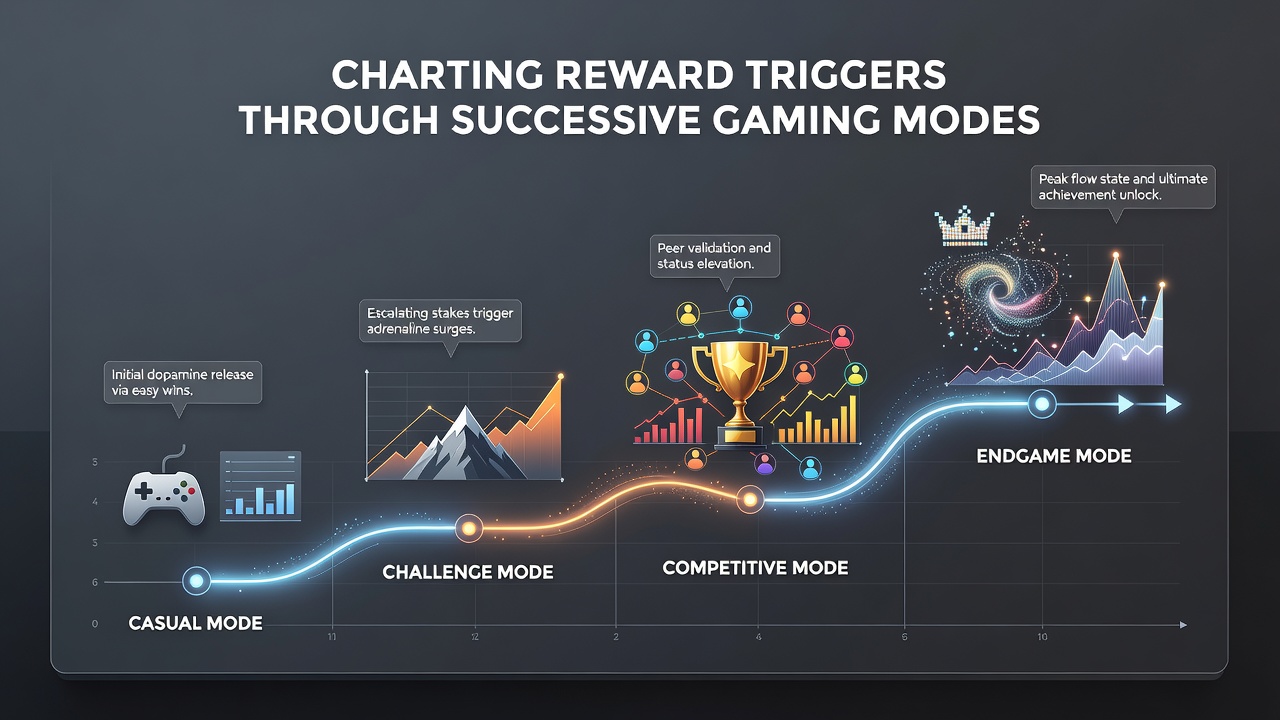
Successive gaming modes create structured sequences where players move between slots, table games and video poker variants, and data from multiple jurisdictions shows how these transitions align with specific reward mechanics built into each format. Operators design bonus rounds, multiplier ladders and loyalty point systems to activate at predictable intervals when players switch modes, and October 2026 reports from the Nevada Gaming Control Board documented a measurable uptick in cross-mode play sessions compared with the same period in prior years.
Slot machines initiate the sequence for many participants because their base game cycles generate frequent small outcomes that accumulate credits quickly. When players reach a threshold, such as completing a set number of spins or hitting a designated symbol combination, the software unlocks a transition prompt that offers entry into a table game with matched bonus funds or accelerated loyalty accrual. Research from the University of Nevada Reno's gaming studies program indicates these prompts increase session length by an average of 22 minutes when players accept the switch.
Mechanics Behind Mode Transitions
Table games such as blackjack and roulette incorporate their own trigger layers that activate after a player has completed a predetermined number of hands or placed bets totaling a set amount. These triggers often release cashback percentages or free bet vouchers that carry over to the next mode, and the structure ensures the reward value scales with the size of the preceding wager. Observers note that the payout tables in these games include explicit rules for how accumulated points convert when participants move to video poker terminals.
Video poker rounds close the sequence in many documented patterns because their skill-based decision points allow players to influence hit frequency through optimal play. When a player achieves a qualifying hand after arriving from a table game, the system may award a progressive multiplier that applies only to the final mode in the chain. Figures released by the Australian Communications and Media Authority in its 2026 quarterly review revealed that 34 percent of tracked players completed at least one full three-mode cycle within a single visit.
Data Patterns Across Jurisdictions
Canadian provincial regulators, including the Alcohol and Gaming Commission of Ontario, reported parallel findings in their September 2026 compliance summaries. Players who completed successive modes showed higher average theoretical return percentages because each transition carried a small house-edge adjustment applied to the bonus portion of play. The commission's dataset covered more than 1.2 million sessions and confirmed that reward triggers fired most reliably when the interval between mode changes stayed under 45 minutes.
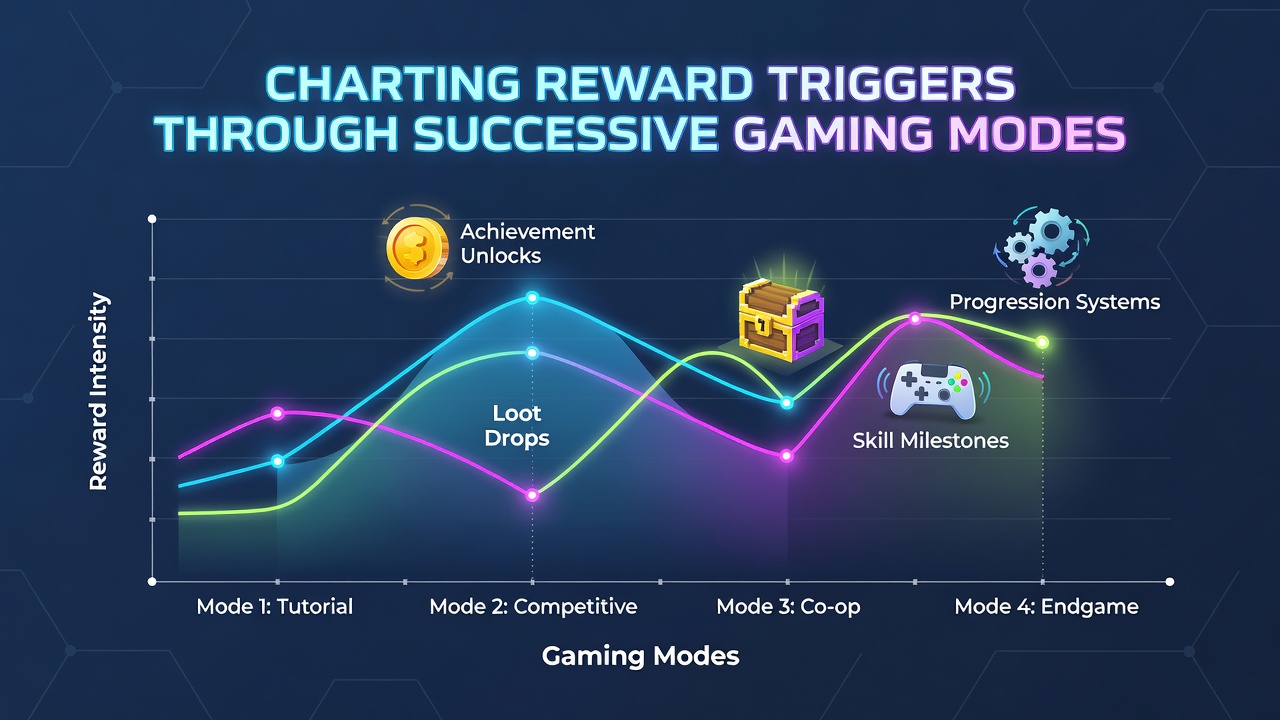
Industry analysts at the European Gaming and Betting Association compiled a separate dataset that examined loyalty program integration across the same sequences. Their analysis showed that point multipliers applied at the second and third mode switches produced compounding effects, with total point awards rising 18 percent above baseline single-mode play. These multipliers reset after each visit cycle, creating a clear boundary that encourages repeat visits within the same calendar week.
Implementation in Live Environments
Casino floors in multiple regions have installed digital wayfinding screens that display the current reward tier for each mode sequence. The screens update in real time as players log activity through their player cards, and the information appears without interrupting gameplay. Staff training materials from the New Jersey Division of Gaming Enforcement emphasize that these displays must remain factual and must not imply any guaranteed outcome beyond the published rules of each game.
Software providers release periodic updates that refine the timing of reward triggers so the intervals remain consistent with regulatory requirements. One October 2026 patch from a major developer adjusted the minimum spin count required before a slot-to-table prompt appears, moving it from 75 to 90 spins in certain titles. The change aligned the mechanic more closely with observed player behavior patterns recorded in the prior quarter.
Conclusion
Tracking reward activation across successive gaming modes relies on transparent rules, real-time data feeds and consistent regulatory oversight. Jurisdictions continue to publish aggregated figures that document how these layered systems function, and operators adjust parameters to maintain compliance while preserving the intended progression structure. The patterns observed in 2026 reflect ongoing refinement rather than fundamental redesign of the underlying mechanics.